Timing Your Moves: How Mobile Interfaces Influence Strategy Application in Different Blackjack Versions

Mobile interfaces shape how players apply strategy across blackjack variants because touch-based controls and screen layouts determine response times during critical decisions. Different versions such as European blackjack, American blackjack, and Blackjack Switch present unique rule sets, and the way mobile apps render buttons, card animations, and timers directly affects whether players execute splits, doubles, or surrenders at optimal moments. Research from gaming technology reports shows that interface latency and button placement alter decision accuracy in real-time play, particularly when deck penetration reaches late stages where count-based adjustments matter most.
Interface Elements That Affect Decision Timing
Button size, swipe gestures, and confirmation pop-ups vary across platforms, which means players encounter different friction points when executing basic strategy. In European blackjack where the dealer receives only one card initially, mobile layouts often position the hit and stand controls closer together than in American versions that include a dealer hole card check. Observers note that this proximity can increase accidental taps during high-stakes hands, especially on smaller screens where thumb reach creates overlap risks. Animations that reveal cards sequentially add further delay, and studies on mobile gaming ergonomics indicate these visual sequences extend the interval between decision points compared with desktop interfaces that display results instantly.
Blackjack Switch introduces an additional layer because players must choose whether to swap cards between two hands before the dealer acts. Mobile versions typically place swap buttons in a central area to accommodate the dual-hand view, yet this arrangement requires extra screen real estate that compresses other action buttons. Data from interface testing reveals that players using these apps register longer response times on switch decisions when the interface forces a two-step confirmation process instead of a single tap. Those who've examined play logs across multiple apps find that variants with streamlined swap mechanics maintain higher adherence to optimal strategy charts under time pressure.
Adaptations in Basic Strategy for Mobile Play
Basic strategy charts remain the foundation for minimizing house edge, but mobile implementations sometimes overlay simplified recommendations directly onto the game screen. These overlays update dynamically based on teh specific ruleset, yet screen real estate limits the detail provided compared with printed charts or desktop pop-ups. In single-deck versions that appear in exclusive online rooms, mobile interfaces often highlight only the primary action while hiding secondary options like surrender until a menu is opened. This selective display influences whether players recall and apply edge adjustments that depend on exact deck composition.
Multi-hand play in mobile apps further complicates timing because simultaneous decisions across tables require rapid context switching. European and American rule differences become harder to track when the interface uses the same visual style for both variants without clear rule indicators. Research indicates that players who switch between versions within the same session show reduced accuracy on rule-specific moves such as doubling after split, which occurs more frequently under American rules than European ones.
Card Counting Challenges on Mobile Devices
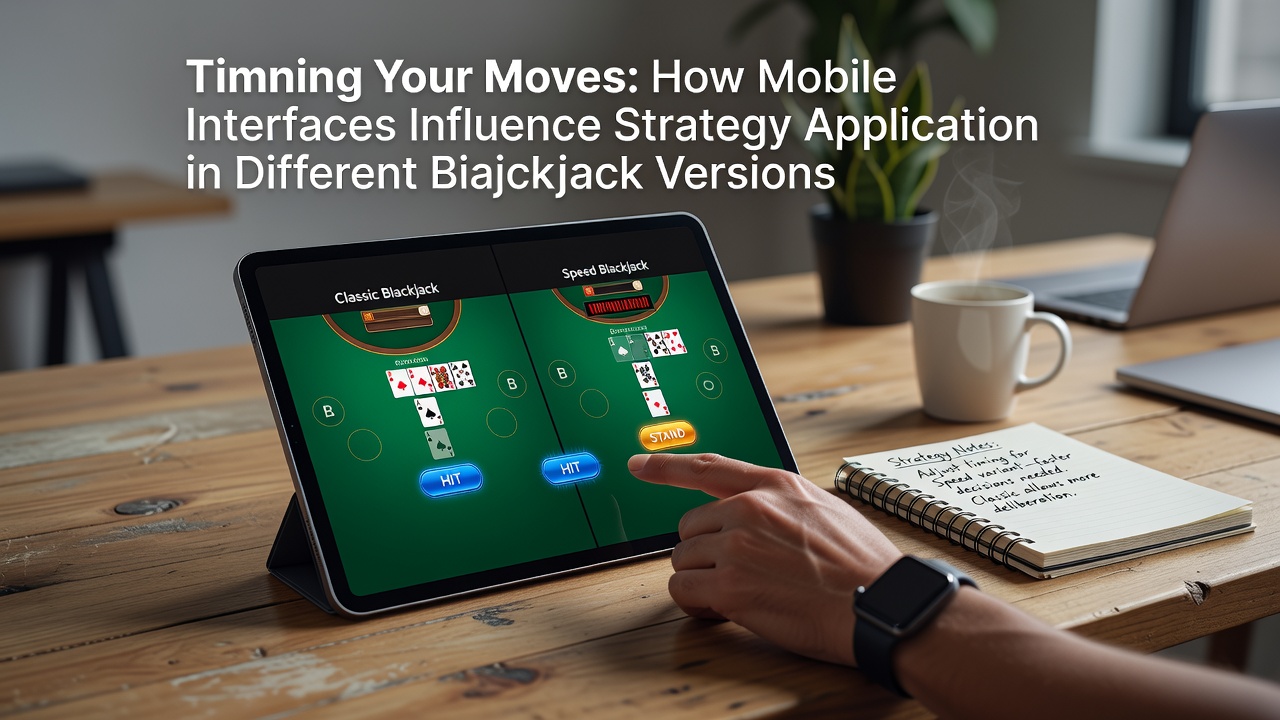
Card counting techniques require continuous tracking of remaining cards, and mobile interfaces present both advantages and constraints for this practice. Some apps include optional running count displays that update automatically, yet these tools often appear only after users enable advanced settings that may not be visible during standard sessions. In July 2026, several platforms introduced optional count overlays that sync with live dealer streams, allowing players to maintain accuracy without diverting attention from the table layout. However, the same interfaces sometimes refresh the entire screen after each hand, which interrupts visual continuity and forces recounting from partial information.
Touch-based input also affects bet sizing adjustments that accompany count changes. Larger betting circles on tablets permit quicker slider movements than smartphone screens where precision tapping becomes necessary. Observers who analyzed session data across device types found that tablet users maintain more consistent bet spreads aligned with true count thresholds, while smartphone sessions show greater variance in wager timing due to interface constraints.
Variant-Specific Interface Considerations
Blackjack Switch and Double Exposure variants place extra demands on mobile screen organization because multiple cards and decision paths must appear simultaneously. Double Exposure shows both dealer cards face up, which changes basic strategy calculations and requires interfaces to highlight altered plays such as standing on soft 18 against dealer 10. Mobile apps that fail to resize these highlights dynamically for different orientations create situations where players miss optimal moves during portrait-mode play. Industry reports from the Nevada Gaming Control Board document how variant-specific interfaces evolve to accommodate these rule differences while preserving decision speed.
Live dealer integrations add network latency to the equation, and mobile connections in regions with variable signal strength experience additional delays before action buttons activate. Players therefore encounter situations where strategy calls for a quick double down yet the interface remains unresponsive until the next server sync completes. Academic examinations of remote gaming platforms, including work from the University of Nevada, Las Vegas, confirm that these latency patterns correlate with deviations from expected strategy adherence rates across tested blackjack versions.
Conclusion
Mobile interfaces continue to evolve alongside rule variations in blackjack, creating measurable effects on how strategy gets applied during actual sessions. Button layouts, animation timing, count tools, and screen orientation handling each contribute to the interval between hand information and player action. Data from regulatory filings and academic analyses demonstrate that these interface characteristics produce different outcomes depending on the blackjack version in use and the device employed. As platforms refine their designs, the relationship between visual presentation and strategic execution remains a central factor in mobile blackjack performance.