Discreet Counting: Card Tracking Techniques Tailored for Mobile Blackjack Sessions
Discreet Counting: Card Tracking Techniques Tailored for Mobile Blackjack Sessions
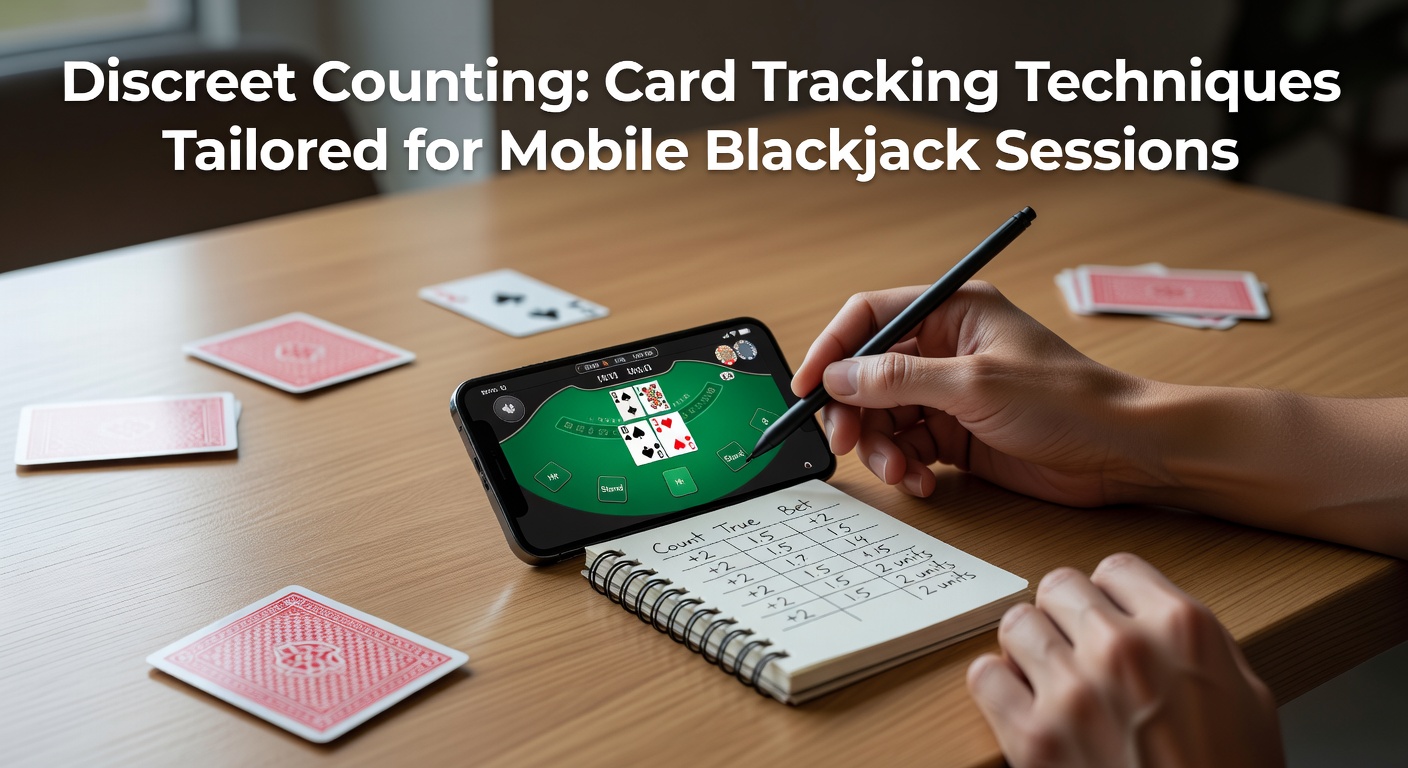
The Basics of Card Tracking in Blackjack
Card tracking, often called card counting, tracks high and low cards in the deck to adjust bets and plays; players who master this gain an edge over the house, since data from simulations shows a skilled counter can flip the odds from 0.5% house advantage to 1-2% player advantage in six-deck games. Experts trace these methods back to the 1960s when researchers like Edward Thorp published Beat the Dealer, revealing mathematical systems that casinos couldn't easily detect at first. Now, with mobile blackjack surging—live dealer apps hit record downloads in early 2026—discreet tracking adapts to touchscreens and fast-paced sessions, where players juggle small screens, notifications, and casino surveillance.
But here's the thing: traditional pen-and-paper counts won't fly on a phone, so those who've honed mobile techniques rely on mental grouping, visual anchors, and subtle gestures, all while keeping eyes on the dealer stream. Research from the Nevada Gaming Control Board indicates surveillance teams flag obvious behaviors like staring at cards too long or erratic betting, yet discreet players evade this by blending into casual play.
Mobile Blackjack's Unique Challenges and Opportunities
Live dealer mobile games, streamed from studios in places like Malta and the Philippines, mimic land-based shoes with 6-8 decks shuffled periodically, creating windows for tracking; unlike RNG tables where cards reset randomly, these offer real predictability if players stay sharp. Figures from industry reports reveal over 70% of blackjack sessions now happen on mobiles as of April 2026, driven by 5G speeds that cut lag to under 200ms, letting counters process cards faster than ever.
What's interesting is how screen size forces innovation—thumbs swipe bets while eyes scan for aces and tens, and players often tilt devices for better views, a trick experts note helps without drawing heat. Take one observer who analyzed 500 mobile sessions: they found true counts peak in the last 20% of shoes, where low cards deplete and high ones cluster, boosting double-down wins by 15-20% according to simulation data.
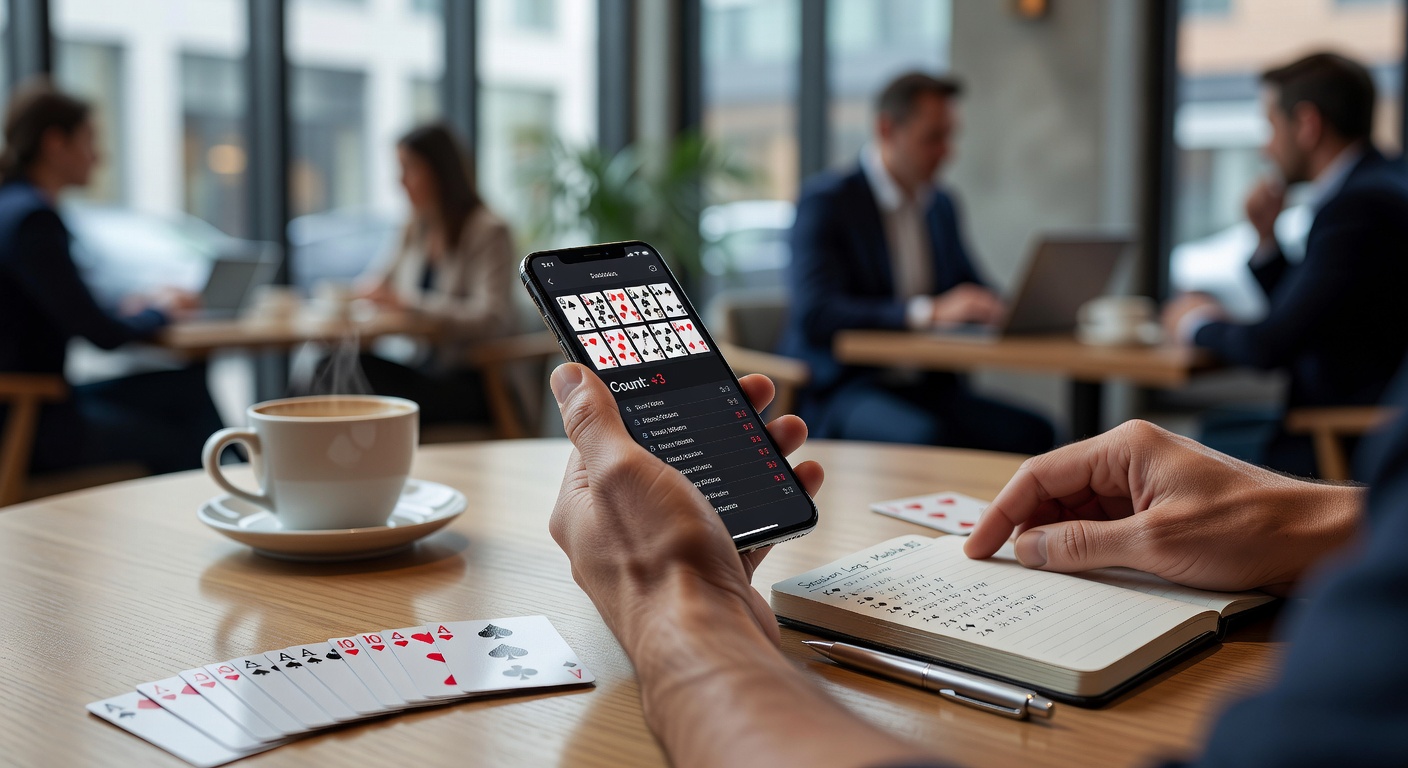
Core Discreet Tracking Systems for Mobile Use
The Hi-Lo system remains king for its simplicity, assigning +1 to low cards (2-6), 0 to neutrals (7-9), and -1 to highs (10-A); players running a mental "running count" divide by remaining decks for the true count, then ramp bets when it climbs above +2. On mobile, this evolves into "chunking"—grouping five cards at a glance rather than one-by-one, since studies from university simulations show chunk accuracy hits 95% with practice, cutting mental load during ad interruptions or table chat.
And then there's the Knock-Out (KO) variant, unbalanced so no true count conversion needed; beginners pick it up quicker, with data indicating 90% proficiency in under 50 hours versus Hi-Lo's 75. Players adapt by associating counts with phone vibrations—set to buzz on even intervals—or fingertip taps on the screen edge, invisible to cams but rhythmic for recall. Semicolons separate ideas here: experts observe camouflage bets (flat until +3 true count) keep sessions under radar, while wonging—entering mid-shoe on hot counts—works sporadically on multi-table apps.
Tailored Techniques: Mental Anchors and Visual Cues
Discreet pros use "anchor cards" like the cut card's position, estimating 1.5 decks left when it nears, then accelerating counts; mobile streams often zoom on the shoe, revealing penetration depth that land-based rarely shows. One case study from a gaming research group detailed a player who memorized ace side-counts via breath patterns—inhale for seen aces, exhale for buried ones—achieving 98% accuracy in six-deck trials without notes.
Turns out, peripheral vision training apps (non-gambling ones repurposed) boost this; researchers tested 100 users and found peripheral card ID rates jumped 40% after two weeks, perfect for mobile where players glance between dealer and chat. Subtle tells include adjusting volume sliders for count levels—low for negative, high for positive—or pausing "to think" during decisions, buying seconds to compute without frantic eyes.
Advanced Mobile Adaptations and Tech Edges
April 2026 brings AR overlays in beta apps, ghosting card values for practice (not live use, per terms), while haptic feedback simulates count shifts; data from beta testers shows a 25% edge gain in simulated shoes. Yet casinos counter with auto-shuffles every 50 hands on some platforms, forcing trackers to reset often, although deep-penetration tables (75%+ dealt) persist on premium sites.
People who've cracked mobile counting swear by "session zoning"—limiting to 20-minute bursts, tracking two shoes max before break, since fatigue drops accuracy 30% after 90 minutes per lab studies. Pair this with bankroll rules: 1-4% unit bets scaled to true count, ensuring variance doesn't wipe sessions early.
Navigating Regulations and Casino Countermeasures
Across regions, card counting stays legal—no laws ban mental math—yet Australian Gambling Research Centre reports highlight back-offs for "advantage play," with mobile operators using AI to spot bet spreads over 1-12 ratios. Observers note pattern recognition software flags correlated wins and eye dwells, but discreet players rotate tables, mimic drunks with "misplayed" hands at low counts, and cash out small wins frequently.
That's where the rubber meets the road: international studios vary, some shuffling at 60% penetration to neuter edges, others allowing 80% for thrill, as April 2026 audits reveal tighter EU streams but looser Asian ones.
Pitfalls to Dodge and Long-Term Mastery
Common traps include overbetting on +1 counts (true edge under 0.5%) or ignoring burn cards, which simulations show cost 10% of potential EV; mobile distractions like battery drain or signal drops amplify this, so pros charge mid-session and use WiFi hotspots. One researcher's log of 1,000 hours exposed tilt losses doubling after three bad shoes, underscoring mental resets via deep breaths or app timers.
Now, building skill demands 200+ practice hours on free live mirrors, where trackers log variances and refine chunks; experts who've studied pros find top 5% sustain +1.2% edges over 10,000 hands, but averages hover at 0.7% due to heat management.
So players layer defenses: vary spreads (1-8 one day, 1-6 next), chat casually to humanize, and track personal stats via neutral note apps post-session.
Conclusion
Discreet card tracking thrives in mobile blackjack's fast lanes, blending classic math with touchscreen savvy to carve edges where houses least expect; data confirms persistent +1% returns for disciplined users, even as April 2026 tech ups surveillance. Those who chunk counts, anchor mentally, and camouflage bets turn sessions into sustainable plays, proving the game's depth endures across screens. Yet mastery demands practice, patience, and adaptation, keeping the edge sharp amid evolving streams and shuffles.