Decoding Pattern Recognition in Blackjack: From Physical Tables to Algorithm-Driven Interfaces
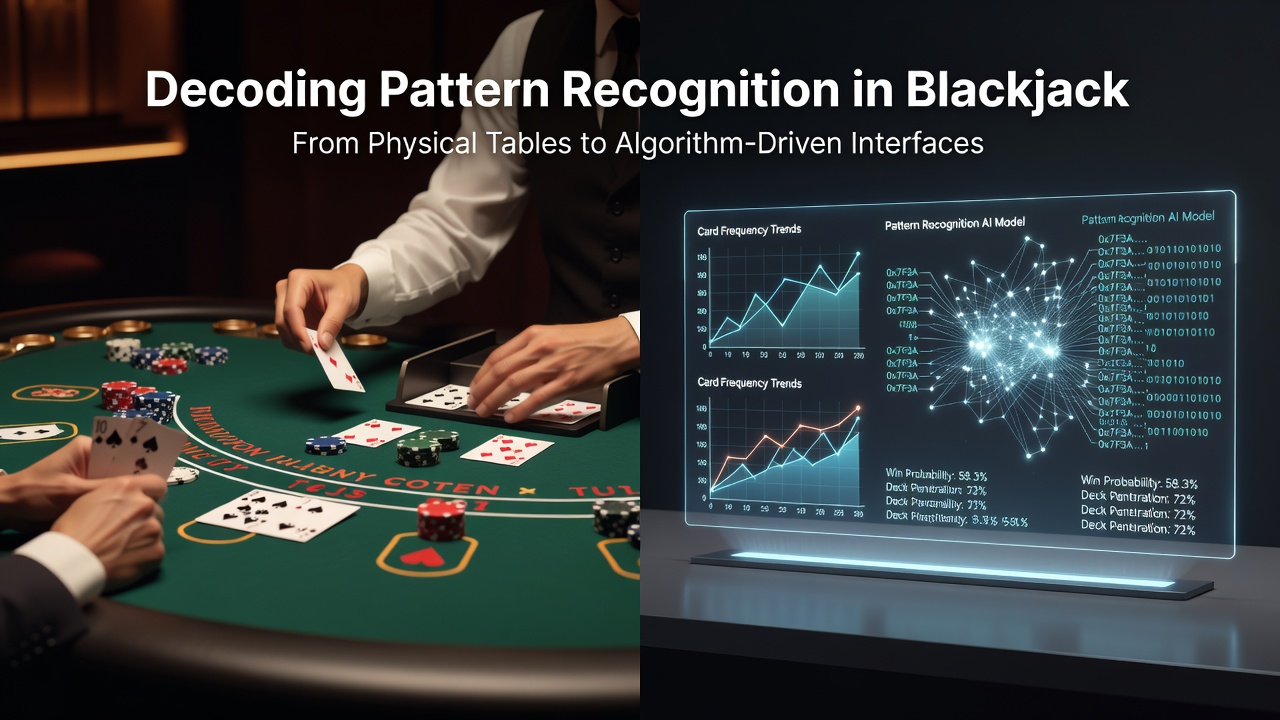
Pattern recognition forms a core element in blackjack gameplay, where participants track sequences of cards, dealer behaviors, and table outcomes across both physical and digital environments. Observers note that early developments centered on manual observation at casino tables, while later advancements introduced computational tools that process data streams in real time.
Physical Table Foundations
At traditional blackjack tables, players examine recurring card distributions and dealer tendencies through direct visual monitoring. Research from the University of Nevada, Reno indicates that consistent exposure to multi-deck shoes allows individuals to identify clusters in high or low card appearances, though these remain subject to random variance. Data collected by the Nevada Gaming Control Board shows that table layouts and dealing speeds influence how quickly such patterns emerge during extended sessions.
Dealers exhibit subtle physical cues in some cases, including hand positioning or shuffle rhythms, which observers have documented in controlled studies. Those who've tracked these elements report that environmental factors like lighting and table position affect detection accuracy, and multiple sessions reveal that patterns often dissipate when decks are reshuffled at standard intervals.
Transition to Digital Formats
Online platforms and mobile applications shifted pattern recognition toward structured data feeds rather than visual cues alone. Algorithm-driven interfaces now aggregate historical outcomes, card removal rates, and betting correlations into visual dashboards that update continuously. June 2026 saw several European operators integrate enhanced tracking modules that cross-reference live streams with archived session data, according to reports from the Malta Gaming Authority.
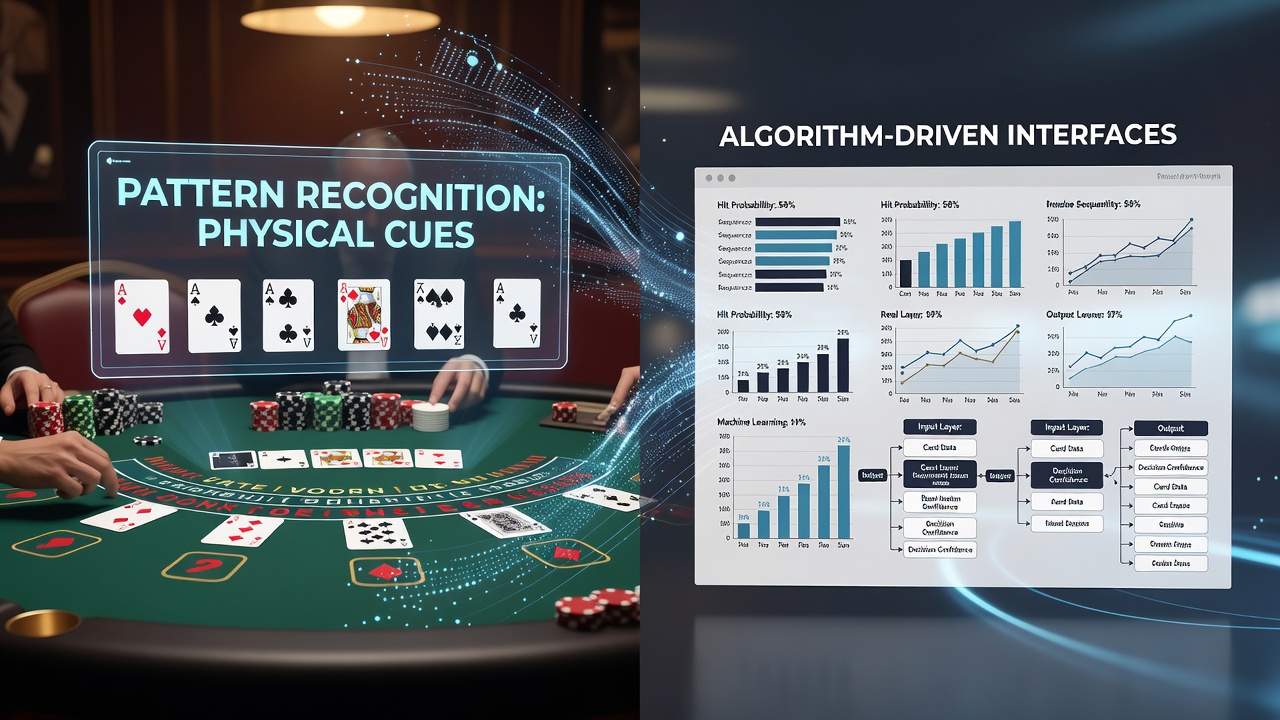
Software systems employ statistical models to flag deviations from expected probabilities, and these models draw from large datasets compiled across thousands of hands. Academic papers published through the Journal of Gambling Studies highlight how machine learning layers improve identification of non-random elements introduced by finite deck sizes, while maintaining separation from prohibited practices such as device-assisted counting.
Algorithmic Processing Methods
Modern interfaces apply clustering algorithms and sequence prediction to blackjack streams, processing inputs like remaining card ratios and previous result strings. These systems generate heat maps and probability curves that users review between rounds. Figures released by the Australian Institute of Criminology reveal that adoption rates for such tools increased notably among regulated sites between 2024 and 2026, driven by compliance requirements for transparent gameplay logging.
Integration with random number generators ensures that core randomness persists, yet pattern tools overlay secondary analytics for informational purposes. Experts at research institutions have observed that hybrid environments, combining live dealer feeds with algorithmic overlays, produce the most detailed recognition outputs because they merge physical dealing footage with computational filtering.
Regional Regulatory Context
Regulatory bodies across jurisdictions set boundaries on how pattern recognition tools may operate. The Kahnawake Gaming Commission in Canada, for instance, requires clear disclosure when interfaces display predictive elements, and similar standards appear in frameworks from the Isle of Man Gambling Supervision Commission. These rules distinguish between informational assistance and any form of automated decision-making.
Implementation timelines in June 2026 aligned with broader updates to digital gaming standards, allowing platforms to refine their interfaces while preserving audit trails for outcome verification. Data indicates that sites adopting these balanced approaches report stable player engagement metrics without triggering additional compliance reviews.
Conclusion
Pattern recognition in blackjack has progressed from table-side observation to integrated algorithmic support, reflecting broader technological shifts in gaming environments. Continued developments depend on collaboration between operators, regulators, and research bodies to maintain clarity around permissible uses. Available evidence shows that both physical and digital formats retain core probabilistic structures, with tools serving primarily as visualization aids rather than outcome determiners.