Bridging Virtual Simulations to Live Multiplayer Dynamics in Regulated Card Environments
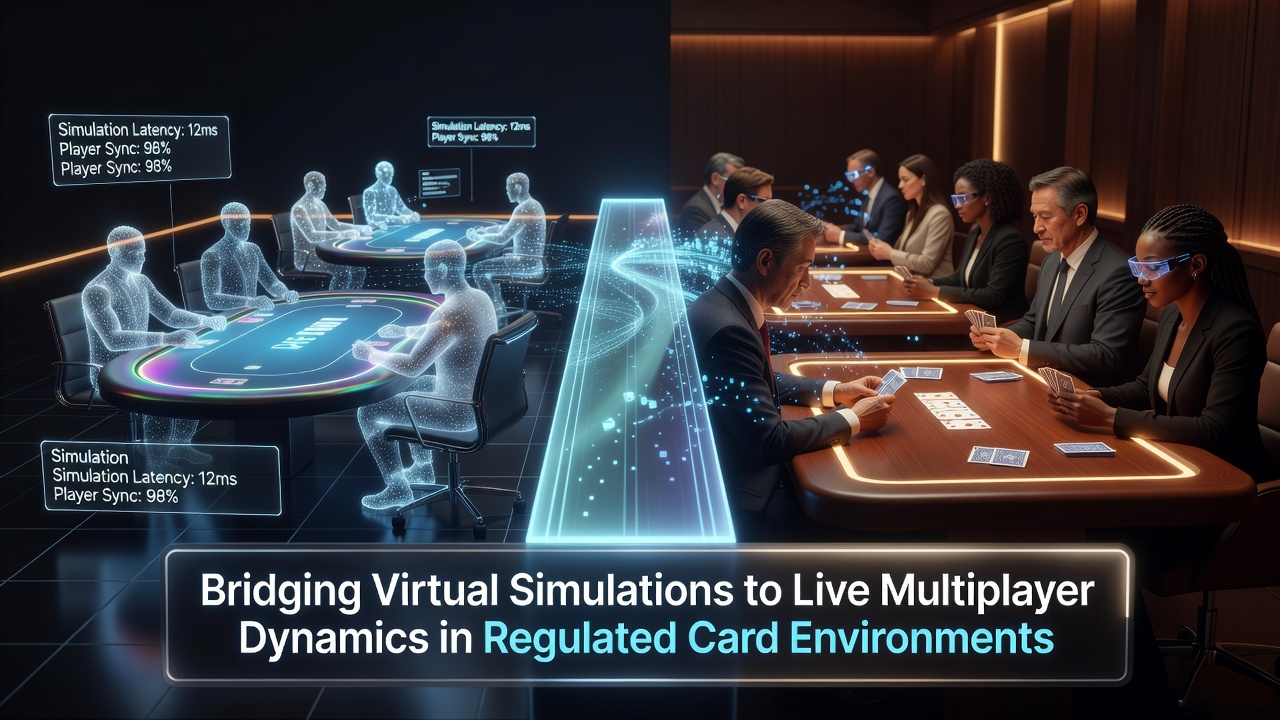
Virtual simulations replicate card game scenarios with multiple participants through algorithmic modeling that accounts for decision trees, probability distributions, and behavioral patterns, yet the transfer of those practiced skills into live multiplayer sessions under regulatory oversight requires structured alignment between training modules and operational rules. Developers design these platforms to mirror table dynamics including turn sequencing, betting intervals, and interaction cues while embedding compliance parameters drawn from jurisdictional standards. Observers note that such bridging mechanisms reduce adaptation friction for participants entering regulated live environments where oversight bodies enforce consistent protocols.
Core Components of Virtual Simulation Frameworks
Simulation engines process thousands of hand iterations per session using randomized deck shuffles that comply with certified random number generators approved by testing laboratories, and these systems layer in multiplayer variables such as position rotation, response timing windows, and chip management interfaces that reflect actual table conditions. Research from institutions like the University of Nevada, Las Vegas International Gaming Institute indicates that participants who complete structured simulation sequences demonstrate measurable improvements in decision consistency when later observed in live settings. The frameworks also incorporate regulatory checklists covering minimum age verification steps, transaction logging requirements, and session time limits that align directly with live venue mandates.
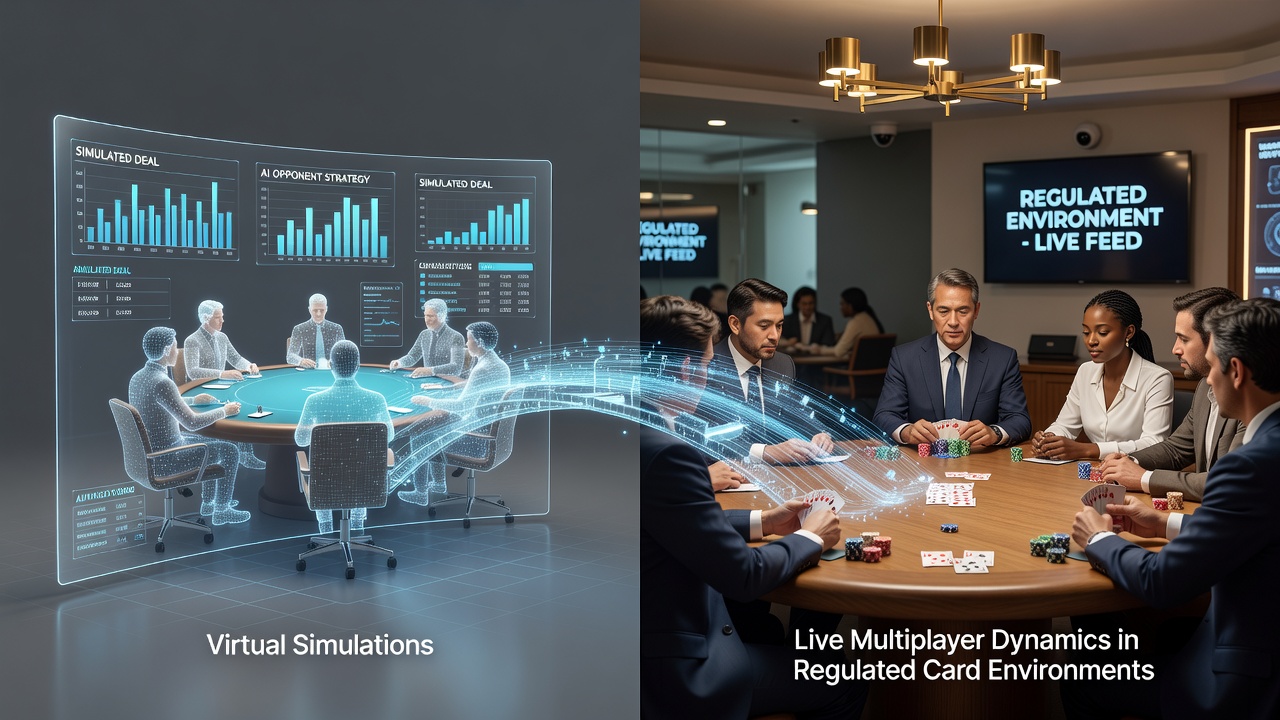
Advanced models further integrate artificial intelligence agents programmed to exhibit varied playing styles drawn from aggregated anonymized data sets, allowing users to encounter a spectrum of opponent tendencies without exposing real financial stakes during practice phases. Data shows these AI-driven interactions help calibrate responses to bluff frequencies, aggression levels, and fold patterns that commonly appear across regulated multiplayer tables. Technical specifications often require simulation outputs to undergo periodic audits ensuring statistical alignment with live game outcomes reported by licensed operators.
Transition Mechanisms to Regulated Live Tables
Operators establish pathways that connect simulation performance metrics to live account features, granting graduated access once users meet threshold criteria such as completion rates on scenario modules or accuracy scores on rule application tests. These transitions maintain continuity through shared user profiles that carry over strategy logs and session histories while enforcing additional identity confirmation steps mandated by oversight agencies. In July 2026 several North American jurisdictions updated data portability guidelines that enable seamless synchronization between approved simulation platforms and licensed live dealer networks, facilitating real-time strategy reference tools during active play without violating conduct standards.
Live environments introduce physical and social elements absent from virtual modules, including dealer pace variations, ambient noise influences, and direct eye-contact dynamics among participants seated at the same physical or virtual table. Regulated venues address these gaps through mandatory orientation sequences that combine simulation replay analysis with supervised live observation periods. Figures from the Alcohol and Gaming Commission of Ontario reveal that integrated training programs correlate with lower rates of procedural errors during initial live sessions across monitored card rooms.
Regulatory Oversight and Compliance Integration
Regulatory frameworks require simulation providers to maintain separate certification tracks for training environments versus operational platforms, ensuring that practice tools cannot inadvertently influence real-money outcomes or circumvent responsible gaming controls. Agencies in multiple regions mandate regular reporting on simulation usage patterns alongside live play data to identify potential discrepancies in player behavior across the two formats. Compliance documentation typically includes audit trails that log every simulated decision against corresponding regulatory benchmarks for fairness and transparency.
Cross-border agreements further standardize how simulation data informs live oversight, allowing regulators to reference aggregated training statistics when evaluating operator performance or adjusting table minimums. These arrangements emphasize data segmentation so that individual identities remain protected while aggregate trends support policy refinements. Technical standards bodies collaborate with gaming commissions to update interface requirements periodically, incorporating feedback loops from both simulation developers and live facility operators.
Technological Enablers and Future Alignment
Cloud-based architectures enable low-latency synchronization between simulation outputs and live table feeds, supporting features such as real-time probability overlays that draw from both historical simulation runs and current deck composition data. Encryption protocols and access controls prevent unauthorized bridging that might compromise game integrity, while application programming interfaces facilitate secure data exchange under strict audit conditions. Industry reports highlight increasing adoption of these hybrid systems across licensed markets in North America and Europe as operators seek efficiency gains without relaxing regulatory safeguards.
Hardware advancements including high-definition streaming and haptic feedback devices extend simulation fidelity closer to live tactile experiences, preparing users for physical card handling and chip placement nuances. Ongoing collaborations between technology firms and regulatory laboratories focus on validating that these enhancements preserve statistical equivalence between virtual practice and live execution. Such developments continue to shape how participants move from isolated training environments into dynamic, regulated multiplayer card settings.
Conclusion
The connection between virtual simulations and live multiplayer dynamics rests on deliberate alignment of algorithmic training with regulatory standards that govern card environments. Through certified engines, structured transitions, and ongoing oversight, these systems support skill development while upholding integrity requirements across jurisdictions. Continued technological and policy refinements sustain this bridge as card gaming platforms evolve.