Blackjack Shuffle Mechanics in Digital Multi-Deck Formats and Effects on Sequence Detection
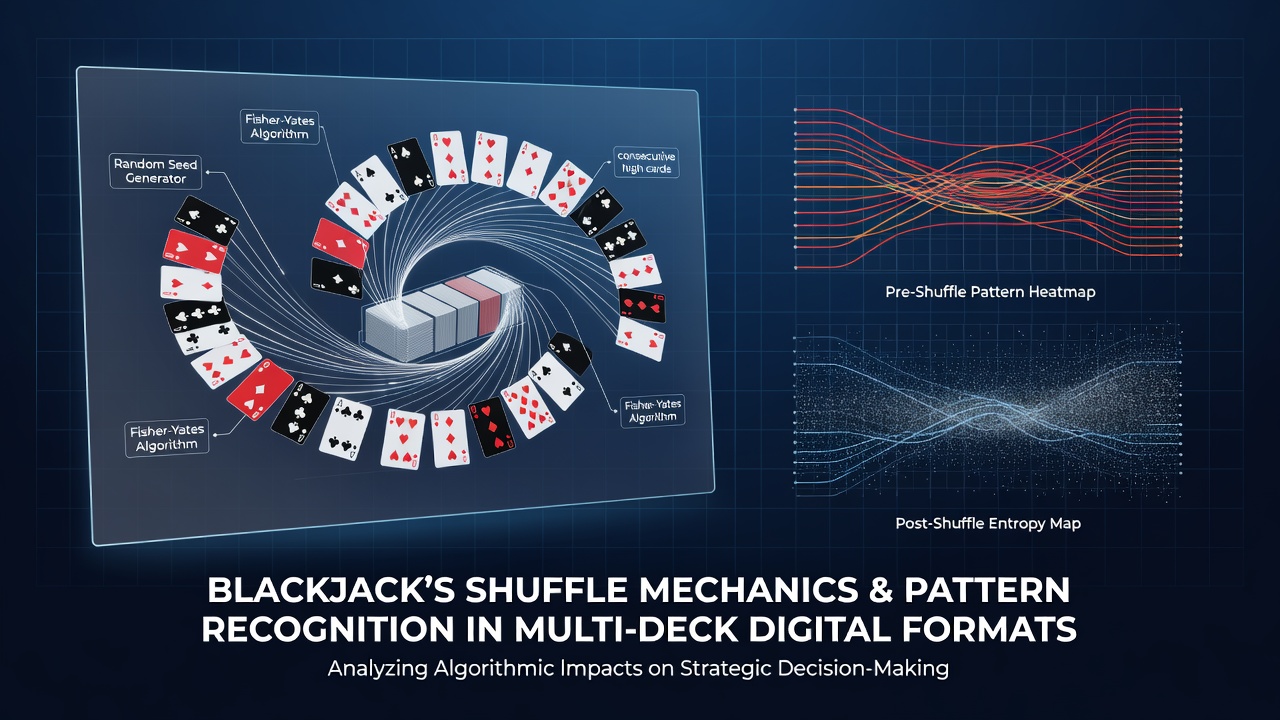
Digital blackjack platforms rely on algorithmic shuffle mechanics to maintain randomness across multi-deck configurations, and these systems determine when cards are redistributed during play. Multi-deck games typically use six or eight decks shuffled together, which creates a larger pool that software processes through random number generators rather than physical methods. Observers note that continuous shuffling machines in digital environments often trigger after every hand or at set intervals, and this frequency directly limits the formation of detectable card sequences over extended sessions.
Core Components of Digital Shuffle Systems
Random number generators form the foundation of these mechanics, and they produce sequences that software maps onto card values from the combined decks. Studies from teh Nevada Gaming Control Board indicate that certified RNGs must meet statistical standards for uniformity, which prevents predictable patterns from emerging in standard play. In multi-deck formats, the system draws from a virtual shoe that holds 312 or 416 cards, and reshuffles occur based on penetration rules programmed by each operator. Data from industry reports shows that penetration levels often reach 75 to 85 percent before a full shuffle resets the order.
Software providers integrate these shuffles through pseudorandom algorithms seeded with system timestamps or hardware entropy sources, and this approach ensures each redistribution differs from previous ones. Researchers have documented that periodic shuffles after a fixed number of hands reduce the window available for tracking high or low card concentrations. Those who analyze gaming software observe that some platforms apply continuous shuffling models, which mix remaining cards with discarded ones after every round and thereby eliminate cumulative tracking opportunities.
Pattern Recognition Challenges in Multi-Deck Play
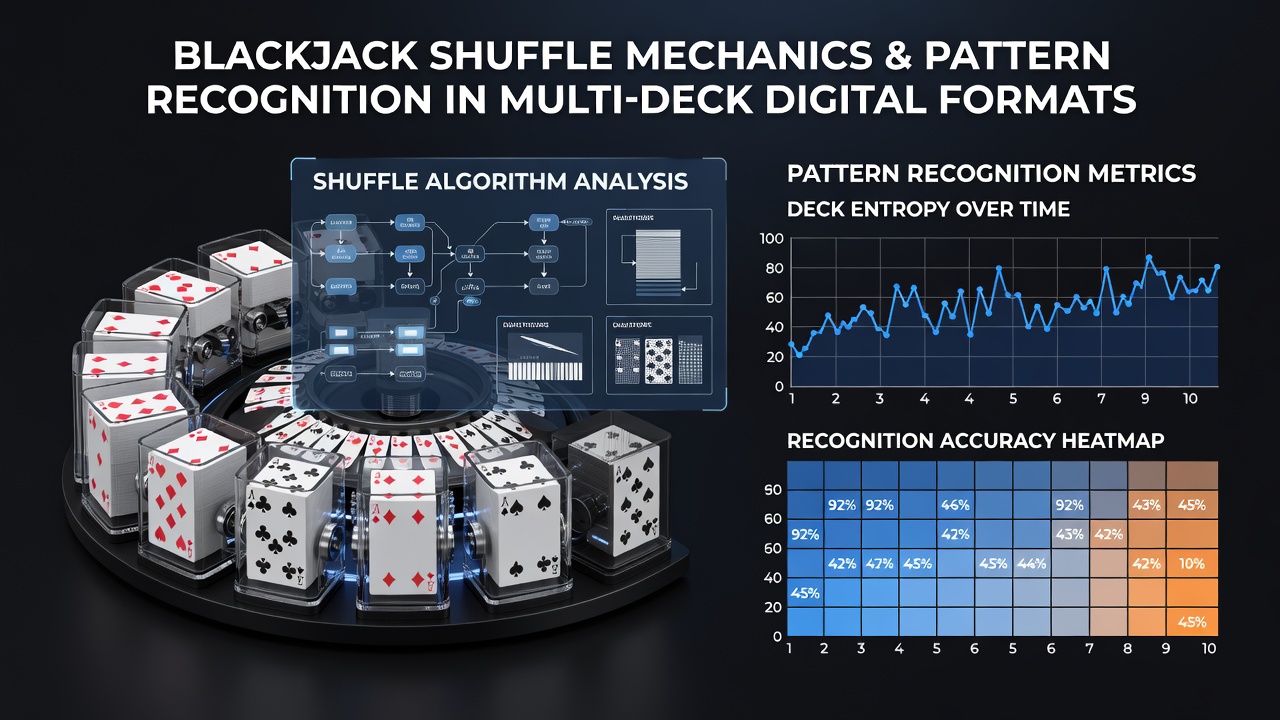
Pattern recognition in blackjack involves monitoring card flow to estimate remaining deck composition, yet digital shuffle mechanics disrupt this process at multiple points. Multi-deck setups already dilute individual card impacts compared with single-deck variants, and frequent algorithmic reshuffles compound teh effect by resetting any emerging distributions. Figures from academic analyses of gaming RNGs reveal that detection accuracy drops sharply when shuffles intervene before 50 percent penetration, since the statistical base for prediction shrinks accordingly.
One documented case involved researchers examining live digital sessions where continuous shuffling reduced sequence predictability by redistributing cards in real time, and similar findings appear in reports examining European casino software standards. Players attempting to follow suit or rank clusters encounter interruptions that break potential runs, while the larger card pool in multi-deck games further masks individual deviations. Evidence from simulation studies demonstrates that pattern-based strategies require longer uninterrupted segments than digital systems typically allow.
Regulatory and Technical Standards as of July 2026
As of July 2026, regulatory frameworks in multiple jurisdictions require independent testing of shuffle algorithms before deployment, and these tests verify that no repeatable sequences persist across sessions. The Australian Communications and Media Authority oversees similar compliance for licensed platforms, and its guidelines emphasize entropy sources that maintain unpredictability even under high-volume play. Multi-deck digital formats must demonstrate through third-party audits that reshuffle timing does not create exploitable intervals, which affects how operators configure their virtual shoes.
Technical updates in that period have incorporated additional entropy layers drawn from player input timing and network latency, and these enhancements further randomize the distribution process. Data collected by research institutions tracking online gaming shows measurable declines in sequence-based detection rates following such implementations. Observers tracking platform changes note that operators now publish shuffle frequency details in game rules to meet transparency requirements across regions.
Comparative Impact Across Deck Configurations
Multi-deck digital environments differ from fewer-deck setups because the expanded card count requires more computational cycles for each shuffle, and this scale influences how often full redistributions take place. Shorter penetration thresholds in these formats accelerate the cycle, which limits exposure of any single card distribution to analysis. Research published in gaming technology journals indicates that eight-deck configurations with continuous shuffling exhibit the lowest measurable pattern persistence compared with six-deck alternatives under identical RNG conditions.
Operators adjust these parameters based on certification outcomes, and adjustments often include variable shuffle points triggered by hand count or remaining cards. Those examining platform logs find that such variability itself becomes another layer that pattern recognition systems must account for during extended play. The combined result is a playing environment where traditional sequence tracking faces structural constraints built into the software design.
Conclusion
Digital multi-deck blackjack shuffle mechanics operate through certified RNG processes that enforce regular redistribution and thereby constrain opportunities for pattern recognition. Regulatory standards from bodies such as the Nevada Gaming Control Board and the Australian Communications and Media Authority continue to shape these systems, and technical developments through July 2026 have reinforced randomness requirements. The scale of multi-deck configurations combined with continuous or periodic shuffling creates conditions where sequence detection encounters consistent interruptions, and available data confirms these effects across tested platforms.